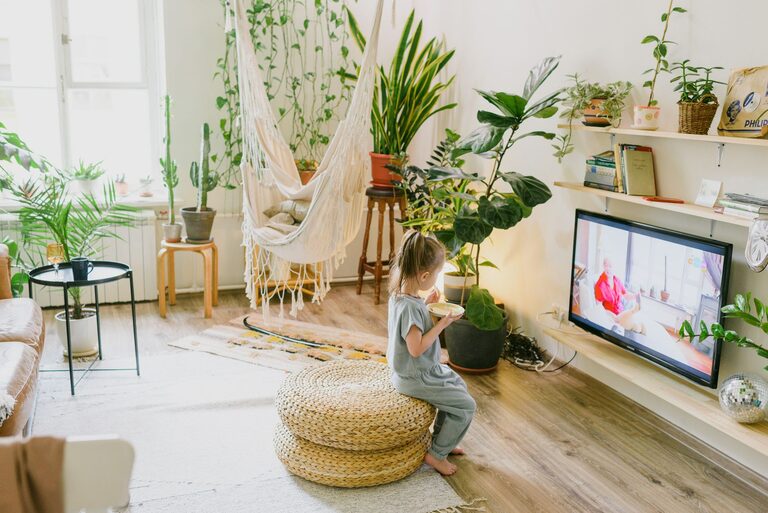
Creating a home office that is both cozy and productive can significantly improve your work-from-home experience. Whether you have a full room or just a small corner to dedicate to your workspace, designing an environment that promotes focus and comfort is key. In this post, we’ll explore practical tips to help you create a home office space that feels inviting and supports your daily tasks effectively.
Why a Cozy and Productive Home Office Matters
Working from home has become increasingly common, and your environment plays a big role in how well you can concentrate and perform your tasks. A workspace that’s too sterile can feel uninspiring, while one that’s cluttered or uncomfortable can cause distractions and fatigue. Striking the right balance with your home office setup can boost your mood and productivity.
—
1. Choose the Right Location
Find Your Perfect Spot
Look for a quiet area in your home with natural light and minimal distractions. A room with a door is ideal for privacy, but if that’s not possible, consider a nook or corner away from household traffic.
Consider Lighting
Good lighting is essential. Position your desk near a window if possible, to take advantage of daylight. If natural light is limited, invest in a quality desk lamp with adjustable brightness and color temperature to reduce eye strain.
—
2. Invest in Comfortable Furniture
Ergonomic Chair and Desk
Comfort is a foundation for productivity. Choose a chair with adjustable height and lumbar support to maintain good posture. A desk at the right height keeps your arms and wrists comfortable.
Personalize Your Space
Add cushions or throws to your chair for extra comfort and warmth. You can also lay down a soft rug under your desk to create a cozy feel.
—
3. Organize to Minimize Clutter
Use Storage Solutions
Keep your desk tidy with organizers, filing cabinets, or shelves. Decluttering your workspace helps clear your mind and improves focus.
Go Digital Where Possible
Reduce paper clutter by scanning important documents and storing files electronically. Use apps and cloud services to keep track of your tasks and notes.
—
4. Decorate with Intention
Choose Calming Colors
Soft, neutral colors like light blues, greens, or warm beige promote relaxation and reduce stress. You can paint an accent wall or add decorations in these tones.
Incorporate Plants
Adding a few plants to your workspace can purify the air and bring a touch of nature indoors. Plants also add color and help create a peaceful atmosphere.
—
5. Manage Noise and Distractions
Use Noise-Cancelling Headphones
If your home environment is noisy, headphones can help block distractions and improve concentration.
Soundproof Your Space
Consider using thick curtains, rugs, or acoustic panels to reduce echo and external noise. Even simple changes like placing bookshelves near walls can help absorb sound.
—
6. Keep Essential Supplies Handy
Stock Your Desk
Keep pens, notebooks, chargers, and other essentials within reach to avoid unnecessary interruptions. A small drawer or desktop organizer can keep everything easily accessible without cluttering the surface.
Use Cable Management
Organize cords and cables with clips or sleeves to keep your desk neat and prevent tangling.
—
7. Designate Break Areas
Step Away to Recharge
If possible, create a small spot nearby where you can take short breaks away from your desk. This could be a cozy chair or a corner with a window view.
Stretch and Move
Regularly stand up, stretch, or take a quick walk around your home to keep your energy levels up and avoid stiffness.
—
8. Personal Motivation and Inspiration
Display Meaningful Items
Place photos, art, or motivational quotes around your workspace to keep you inspired and positive during your workday.
Maintain a Routine
Set regular work hours and rituals that signal the start and end of your workday. This helps your brain switch between “work mode” and “home mode” more easily.
—
Final Thoughts
Designing a cozy and productive home office doesn’t require a large budget or complicated renovations. By focusing on comfort, organization, lighting, and a few thoughtful touches, you can create a workspace that supports your best work while feeling like a welcoming part of your home. Start small, experiment, and adjust your space as you see what works best for your needs. Happy decorating!
About the Author