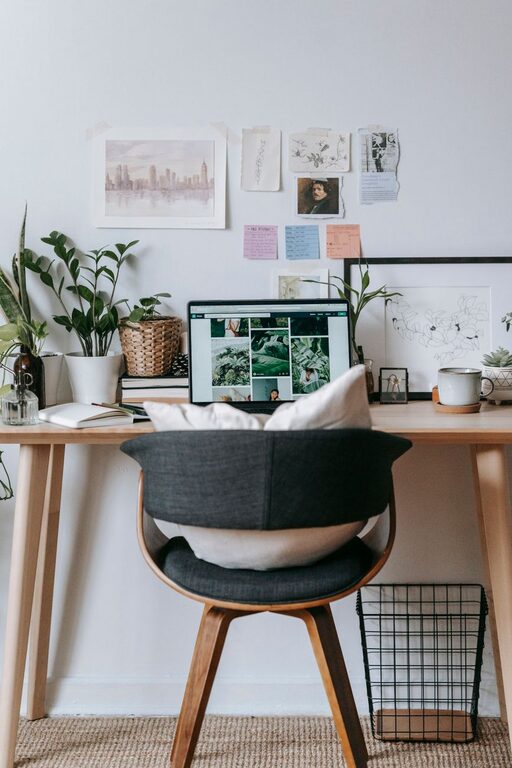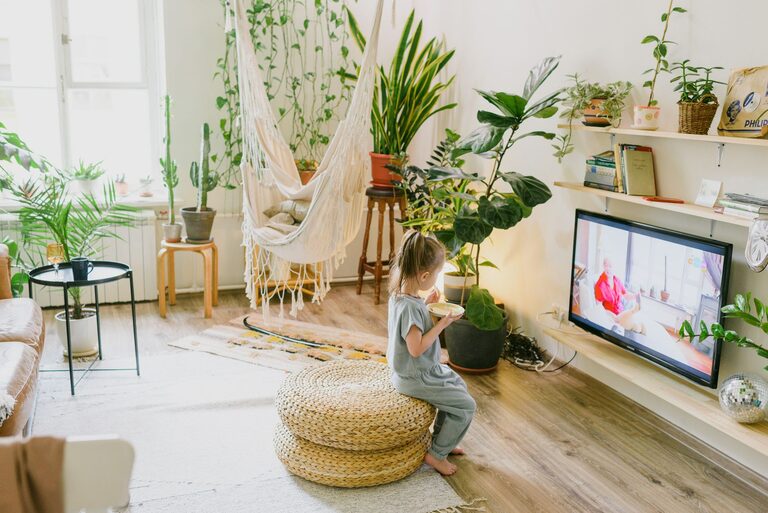

Creating a cozy and functional home workspace is essential for anyone working from home or managing personal projects. A well-designed workspace enhances focus, reduces distractions, and makes working more enjoyable. Whether you have a dedicated room or a small corner, this guide offers practical tips to transform your area into an inviting, effective work zone.
Choose the Right Location
Selecting the proper spot for your workspace is the foundation of creating a productive environment.
– Natural Light: Position your desk near a window if possible. Natural light helps improve mood and reduces eye strain.
– Quiet Area: Pick a quiet part of your home away from high-traffic zones to minimize interruptions.
– Space Considerations: Ensure there’s enough room for your essential equipment, like your computer, notebooks, and any other tools you use daily.
Invest in Comfortable Furniture
Comfort is key when spending hours working at home.
– Ergonomic Chair: Choose a chair that supports good posture, with adjustable height and lumbar support.
– Appropriate Desk Height: Your desk should allow your forearms to be parallel to the floor when typing.
– Additional Seating: If space allows, add a small lounge chair or cushion for breaks and brainstorming sessions.
Organize Efficiently
A clutter-free workspace promotes focus and efficiency.
– Storage Solutions: Use shelves, file organizers, or drawers to keep your supplies within reach but out of sight.
– Cable Management: Employ clips, sleeves, or under-desk trays to keep cords tidy and prevent tangling.
– Desk Accessories: A few well-chosen accessories like a stylish pen holder, calendar, or desk lamp can keep things orderly and add personality.
Enhance Lighting
Proper lighting reduces eye fatigue and creates a pleasant atmosphere.
– Layered Lighting: Combine natural light with task lighting such as desk lamps, and ambient lighting from overhead fixtures.
– Adjustable Lamps: Use lamps with adjustable brightness and direction to suit different times of day and tasks.
– Avoid Glare: Position screens and lights to minimize glare and reflections.
Add Personal Touches
Infusing your workspace with elements you enjoy can boost creativity and comfort.
– Plants: Indoor plants improve air quality and add a splash of nature.
– Artwork or Photos: Display art, motivational quotes, or family photos to make the space feel welcoming.
– Colors: Incorporate colors that are calming or inspiring, like soft blues, greens, or warm neutrals.
Create Zones for Different Tasks
If your workspace is large enough, set up distinct areas to manage various activities.
– Work Zone: Main desk area with computer and work essentials.
– Creative Zone: Space for sketching, brainstorming, or hands-on projects.
– Relaxation Zone: Small corner with comfortable seating for breaks, reading, or thinking.
Maintain a Routine and Keep It Clean
A workspace should be regularly maintained to stay cozy and functional.
– Daily Tidying: Spend a few minutes at the end of each day to clear your desk and put away items.
– Weekly Sanitation: Wipe surfaces and clean your equipment to maintain hygiene.
– Routine Check: Reassess your space periodically to see if furniture or organization can be improved.
Consider Technology and Connectivity
Reliable tech setup is crucial for an efficient home workspace.
– Fast Internet: Ensure your internet connection is stable and fast enough for video calls and data uploads.
– Peripherals: Use a good quality keyboard, mouse, and headphones to enhance comfort.
– Backup Solutions: Have an external hard drive or cloud storage set up to protect your work.
Mind Your Posture and Movement
Body comfort impacts productivity and well-being.
– Take Breaks: Stand, stretch, and walk every hour to reduce muscle fatigue.
– Sit-Stand Options: If possible, incorporate a desk that can adjust between sitting and standing positions.
– Proper Screen Position: Place your monitor at eye level, about an arm’s length away, to avoid neck strain.
Final Thoughts
Building a cozy and functional home workspace is a blend of smart choices about location, furniture, organization, and personal style. The goal is to create an environment that supports your tasks while making you feel comfortable and inspired. Start small by making a few changes and observe how your productivity and satisfaction improve over time.
With these tips, your home workspace can be a place where work feels less like a chore and more like an engaging part of your day. Happy decorating and working!
About the Author