Creating a cozy and inviting home workspace is more important than ever as many people spend significant time working from home. A thoughtfully designed workspace can improve focus, reduce stress, and make your workday more enjoyable. Whether you have a dedicated room or just a small corner, these tips will help you create a space that feels both functional and comfortable.
Choose the Right Location
Consider Natural Light
A well-lit workspace can lift your mood and increase productivity. If possible, position your desk near a window to take advantage of natural light. Avoid glare on your computer screen by angling the desk slightly or using curtains and blinds.
Minimize Distractions
Pick a spot in your home that is quiet and away from heavy foot traffic. This could be a spare room, a nook in the living room, or even a section of your bedroom. Use noise-canceling headphones or a white noise machine if ambient noise is unavoidable.
Invest in Comfortable Furniture
Ergonomic Chair and Desk
Comfort is key to sustaining long work hours. An ergonomic chair supports good posture and reduces fatigue. Pair it with a desk at the right height to keep your wrists and arms comfortable while typing. Adjustable furniture can be a great option to customize the fit.
Add Soft Textiles
Incorporate cushions, throws, or an area rug to soften your space. These elements add comfort and warmth, making your workspace feel inviting rather than purely functional.
Personalize Your Workspace
Add Plants
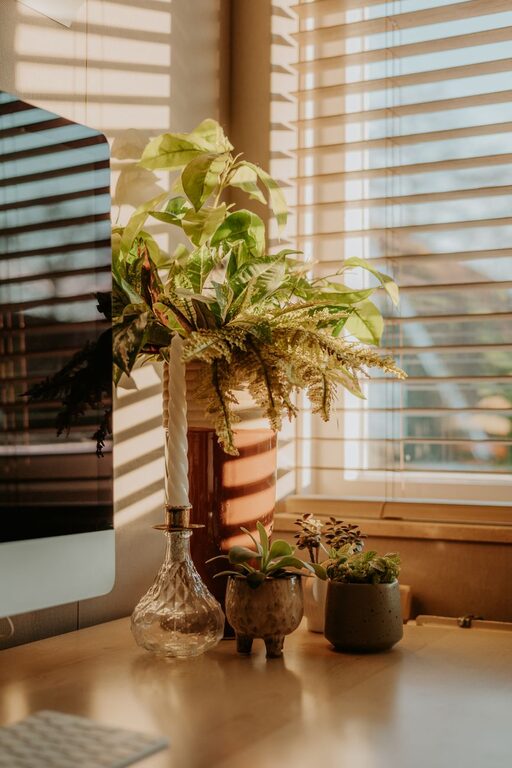
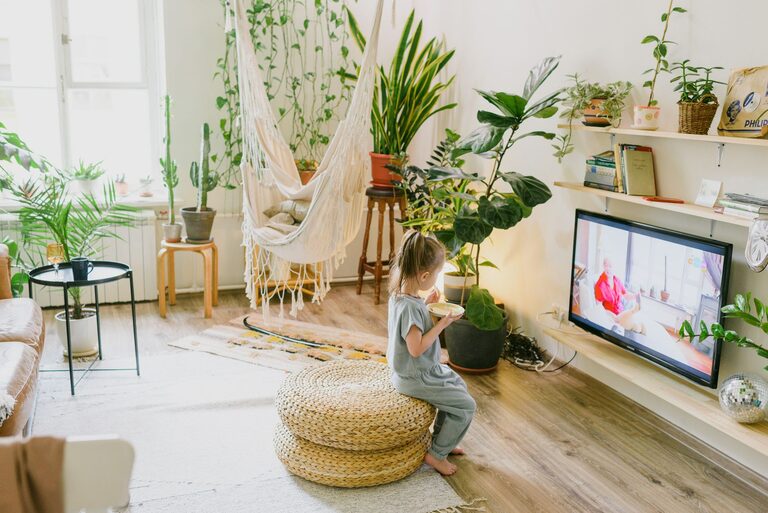
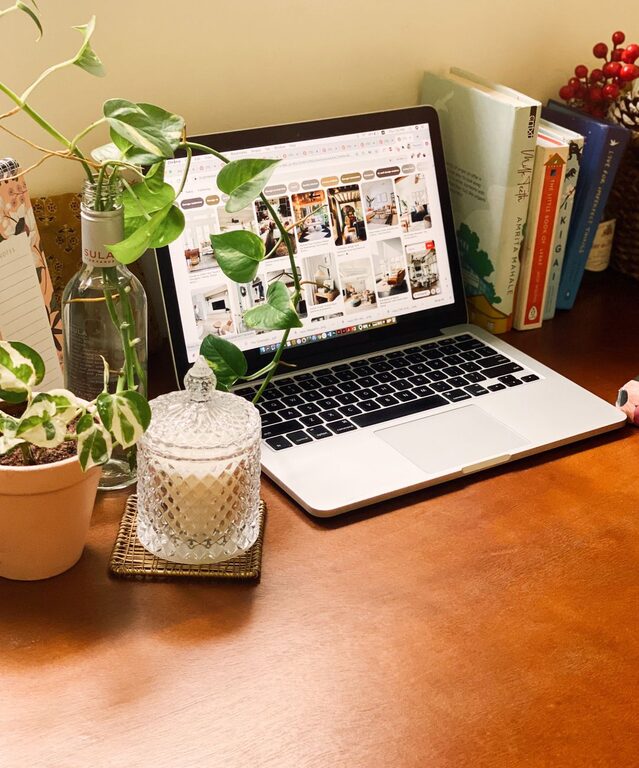
Indoor plants not only brighten the space but also improve air quality and have a calming effect. Choose low-maintenance plants like pothos, snake plants, or succulents if you don’t have a green thumb.
Use Art and Accessories
Decorate your walls with artwork, inspirational quotes, or photographs that make you happy. Desk accessories like stylish pen holders, organizers, or unique lamps can also add personality without cluttering.
Organize for Efficiency
Declutter Regularly
A clutter-free workspace promotes a clear mind. Sort through papers, supplies, and gadgets often. Use trays, file organizers, or drawers to keep things tidy and easily accessible.
Use Storage Smartly
In small spaces, vertical storage like shelves or wall-mounted organizers can save space. Drawer dividers and desktop organizers help keep essential items neat and ready to use.
Pay Attention to Lighting
Layer Your Lighting
A combination of overhead lighting, task lighting, and ambient light creates a balanced and comfortable environment. Desk lamps with adjustable brightness allow you to control your lighting based on the time of day and activity.
Choose Warm Bulbs
Warm white lights create a cozy atmosphere, whereas harsh, bright white lights can feel clinical. Select bulbs with a color temperature around 2700K to 3000K for a welcoming glow.
Incorporate Calming Colors
Select Colors That Inspire
Soft, muted tones like blues, greens, and earth tones help reduce stress and foster concentration. If you prefer brighter colors, incorporate them through accents like pillows or wall art rather than painting entire walls.
Avoid Overwhelming Patterns
Too many bold patterns can distract and make the space feel busy. Stick to simple designs or subtle textures to maintain a calm environment.
Establish a Routine and Boundaries
Dedicated Work Hours
Designating specific work hours helps maintain a healthy balance between your job and relaxation. It also conditions your mind to associate your workspace with productivity.
Create a Ritual for Starting and Ending Work
Small habits like lighting a candle, playing soft music, or tidying your desk at the start and end of the day can create a clear boundary between work time and personal time.
Add Comfort and Inspiration
Keep Hydrated and Snack-Friendly
Keep a water bottle or a cup of tea nearby to stay refreshed. A small bowl with healthy snacks can also be helpful during long tasks.
Play Background Music
For those who work well with background sounds, gentle music or nature sounds can increase focus and drown out distractions. Use playlists or apps specifically designed for concentration.
—
Designing a cozy and inviting home workspace doesn’t require a major renovation—small changes can have a big impact. By balancing comfort, functionality, and personal touches, you can create a space that supports your best work while feeling genuinely pleasant to be in. Take your time experimenting until you find what works best for you, and enjoy your new, inspiring workspace!
About the Author