Creating a home office that is both cozy and functional can make a huge difference in your workday. Whether you’re working from home full-time or need a dedicated space for occasional tasks, a well-designed office enhances focus and comfort. Here are practical tips to help you design a home office that supports productivity while feeling inviting.
Choose the Right Location
Find a Quiet Spot
Selecting a quiet corner or room where you can minimize distractions is key. Avoid placing your office near high-traffic or noisy areas like the kitchen or living room. If space is limited, consider noise-canceling headphones or a white noise machine.
Consider Natural Light
A workspace with plenty of natural light helps reduce eye strain and improves mood. Set up your desk near a window if possible, but avoid glare on your computer screen by positioning monitors perpendicular to the window.
Invest in Comfortable and Ergonomic Furniture
Select an Ergonomic Chair
Comfort matters because you’ll spend hours sitting. A chair that supports your lower back and encourages good posture prevents discomfort and fatigue. Look for adjustable height and lumbar support.
Choose a Spacious Desk
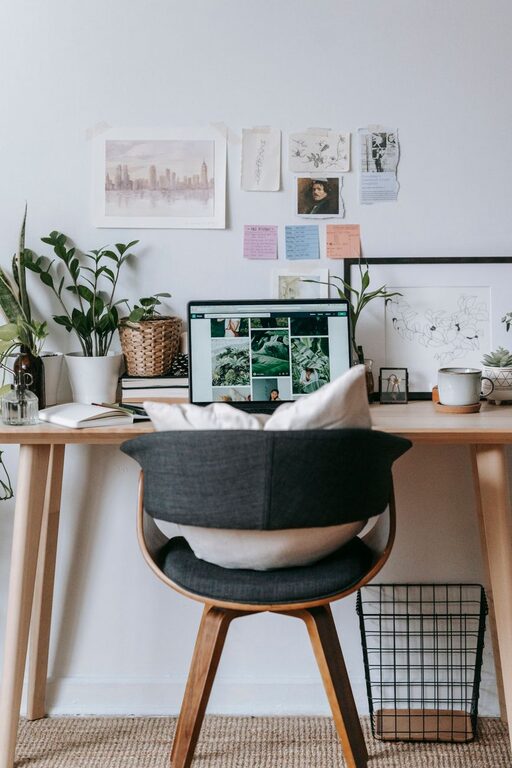
A desk with enough surface area lets you spread out your work materials and devices. Consider desks with built-in storage or shelves to keep your essentials within reach but tidy.
Organize Your Space Efficiently
Declutter Regularly
A clutter-free desk helps clear your mind. Use trays, baskets, or drawer organizers to sort papers, stationery, and other items. Try to keep only what you use daily on the desktop.
Use Vertical Storage
When floor space is limited, vertical storage options like wall shelves or pegboards maximize organization and keep your supplies visible and accessible.
Personalize Your Workspace
Add Warm Textiles
Soft items such as a cozy throw blanket or a cushioned seat pad add warmth and comfort. Rugs can also soften the room and absorb sound.
Display Inspiring Decor
Including personal touches like framed photos, art prints, or plants creates a welcoming environment. Greenery in particular can reduce stress and improve air quality.
Pay Attention to Lighting
Layer Your Lighting
Good lighting blends natural light with task and ambient lighting. Use desk lamps or adjustable floor lamps to illuminate work areas without harsh shadows.
Choose Warm Light Bulbs
Warm white or soft white bulbs create a relaxing atmosphere, supporting long focus sessions without eye strain.
Manage Cables and Technology
Keep Cords Neat
Use cable clips, sleeves, or boxes to organize chargers and cables. This keeps your workspace tidy and reduces the risk of trips or damage.
Upgrade Technology Thoughtfully
Ensure your computer, printer, and other devices meet your needs without overcrowding your desk. Wireless accessories can reduce clutter.
Create a Routine-Friendly Environment
Designate Zones
If space allows, separate areas for different activities—such as a reading nook or a brainstorming spot with a whiteboard—can keep your work routine organized and flexible.
Incorporate Break-Friendly Features
Include a comfortable chair or small couch nearby for short breaks. Taking regular breaks in a cozy spot helps recharge focus.
Keep Comfort and Health in Mind
Maintain Air Quality
Fresh air improves concentration. Open windows periodically or use a small air purifier to keep the air clean and oxygenated.
Add Movement Options
Consider a standing desk converter or an anti-fatigue mat to encourage movement and reduce the effects of sitting too long.
—
A cozy and functional home office blends comfort with efficiency. By thoughtfully choosing your location, investing in ergonomic furniture, organizing your space, personalizing the environment, and paying attention to lighting and technology, you can create a workspace that supports your best work and feels inviting every day. Start small and adjust the space until it reflects your needs and style, making your home office truly your own.
About the Author